
Virtual vs Reality
Is online research as good as going there?

The journey of an author is a complicated one. One of the issues that faces us is: where shall we set our stories?
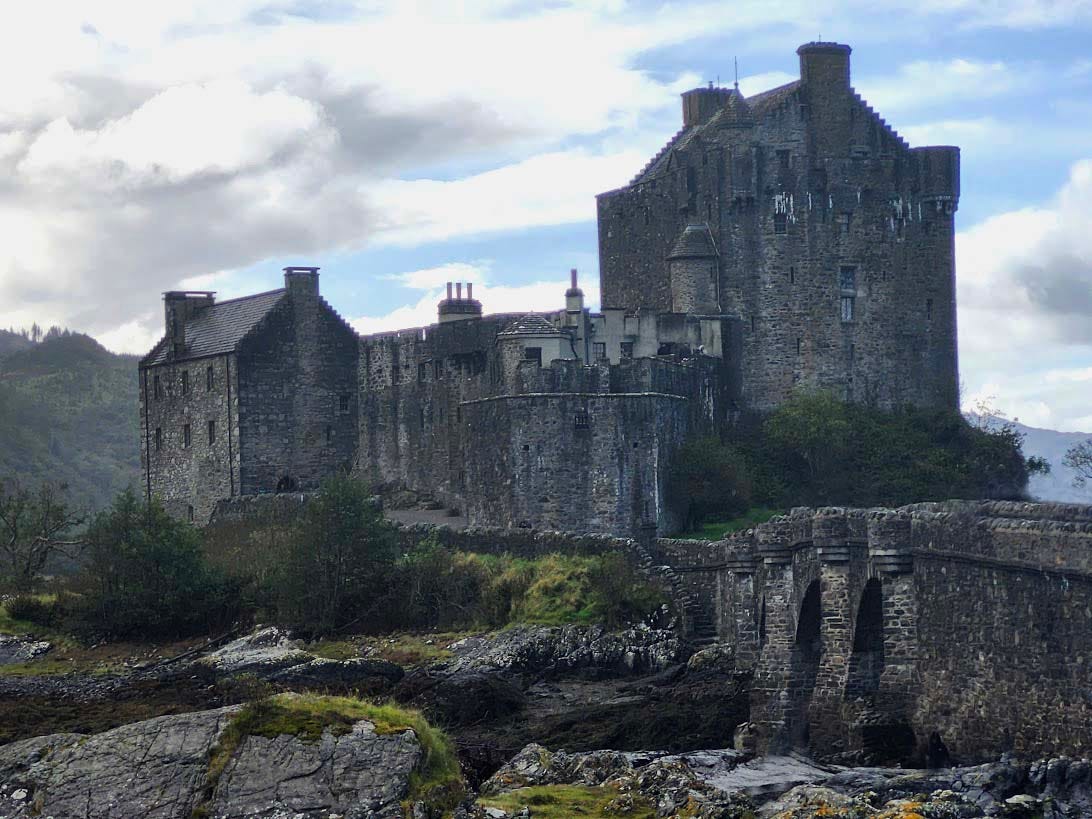
Our options include: a real place or an imaginary place.
Imaginary places are easier. One can research real places, but then alter them and move them and reuse them as one wishes.
Real places require more diligent research. But even imaginary places often exist (so to speak) inside of or next to real places, and the connection between them requires at least a modicum of thought.
But whether our places are totally imaginary or imaginary within the framework of a real place, there remains the question of: if we don’t actually live there, how are we going to find out about this place?
The Many Tiers of Place Research
Pure Imagination:
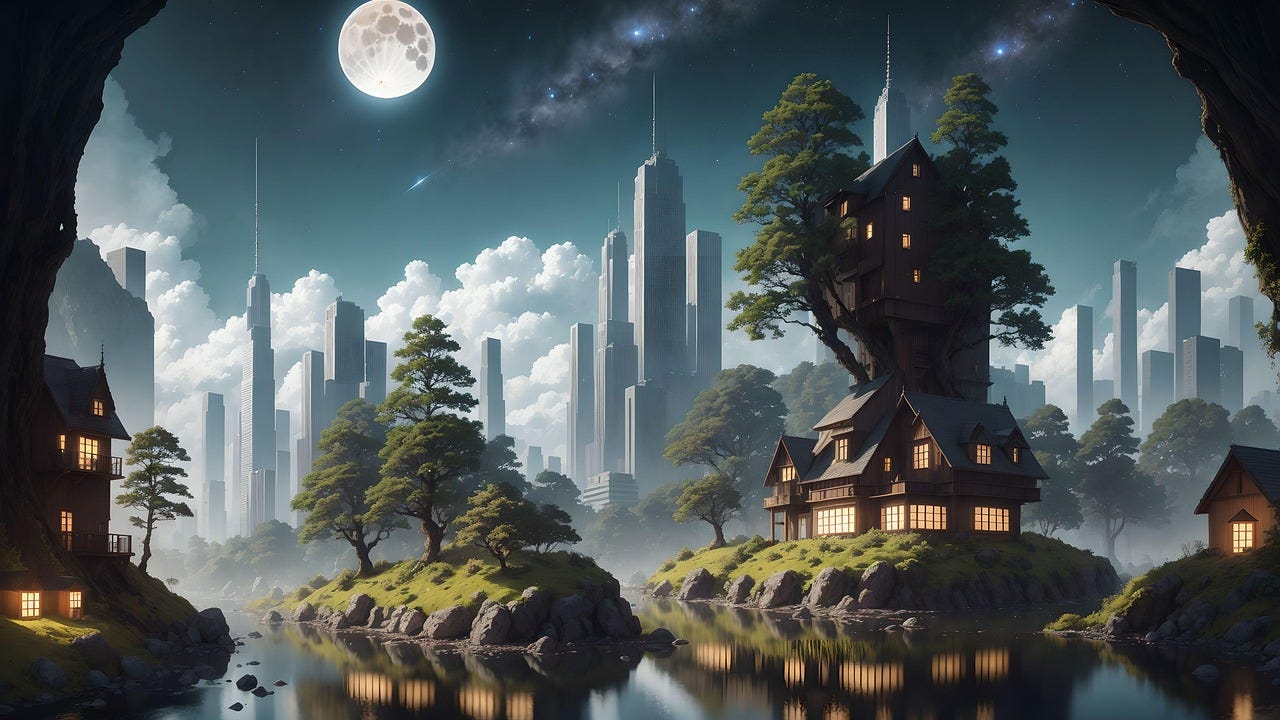
The first tier requires nothing but imagination. Narnia, Oz, Barsoom, a Galaxy Far, Far Away, if research is required at all for describing places from your imagination, it is only what I call “creative research.”
You look up info about real castles, then you take only what you want and use it to throw in a little bit of authenticity to your imaginary fairy palace. When writing of fairy landscapes and imaginary planets, you can’t actually get something wrong. You can merely feel authentic or not feel authentic.
Down the Road from Over There
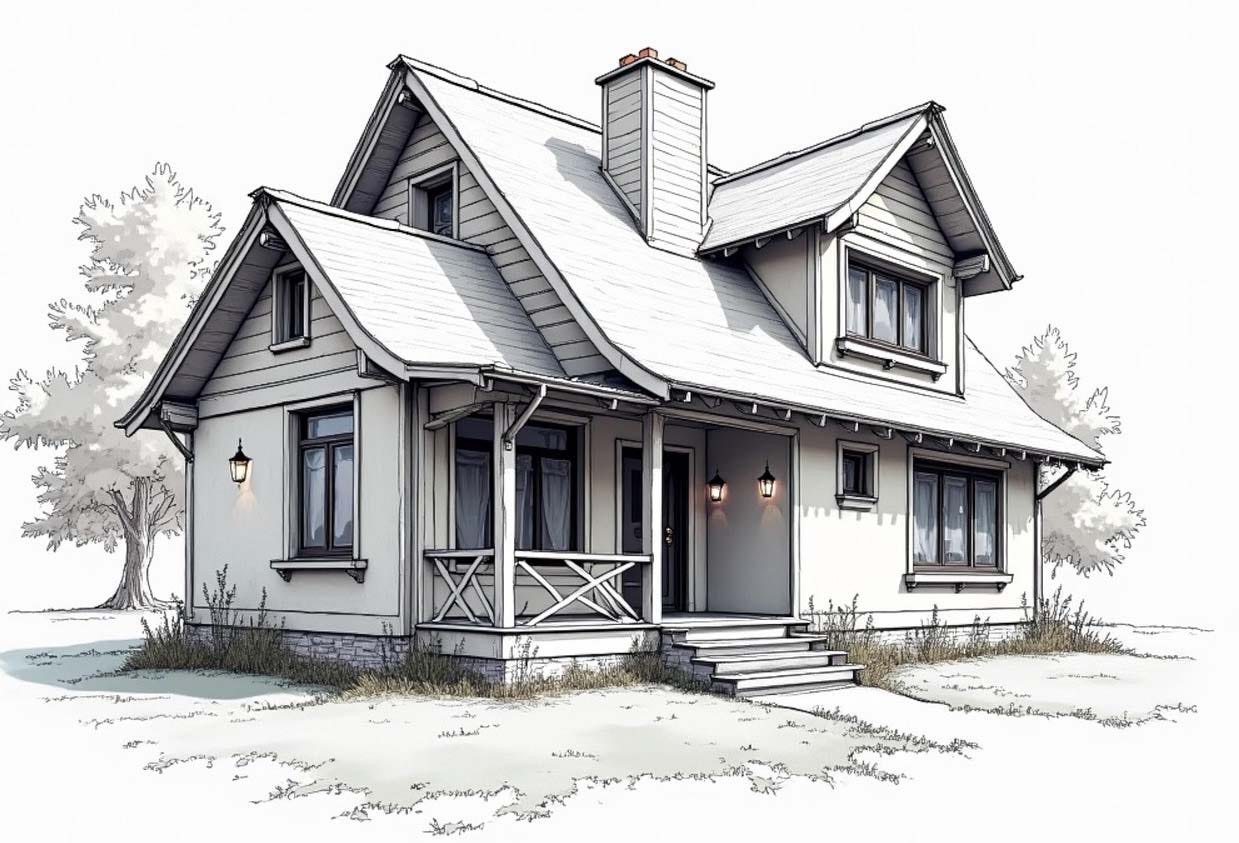
Okay, so our story isn’t set in Narnia, but it’s not set in a place we could really go either. It’s in Everytown, USA or Somesuchshire, UK (probably pronounced Sumusher. UK place names drop lots of sounds.) Maybe it’s on Main Street, Springfield…a town that exists in many states, so you can never really tell where it is.
When this is the case, the author has a lot of leeway.
I have two towns, Haven, Connecticut and the nearby Mulford, CT, that are the location for Against the Dying of the Light and Owls for Sale, two stories (about the same characters) that I hope someday to write. Haven I picked because there’s a New Haven and a West Haven, but no Haven, and Mulford is a slightly run-down, larger town that I have drempt about several times. They don’t exist, so I don’t have to worry about the real buildings or road names, but they have a common history with other towns on the coast of Connecticut.
For Haven and Mulford, there’s no place to visit or to look at on Google maps, but I can still research small towns, the history of Connecticut, and people and companies that lived and operated in that area. From time to time, I make notes about things that might be there, history of the area, etc. For instance, there are at least three public gazebos in Haven. It is on the ocean. It has a main square with a town hall, a church with church bells, and a library. (This town square appears in the story “Merry by Gaslight” which can be read here.)
Same town, different address
Here’s where things start to get sticky.
The next step is that we put our stories in a real place, but not an actual address in that real place. My story is in New York, but not a location that actually exists on Fifth Avenue. Or it’s in London, but I have invented Devonshire Square, an area of Mayfair that does not actually exist.
I don’t have to be too concerned about the specifics of the imaginary address, but everything around that address is real.
And this is where research begins to come in.
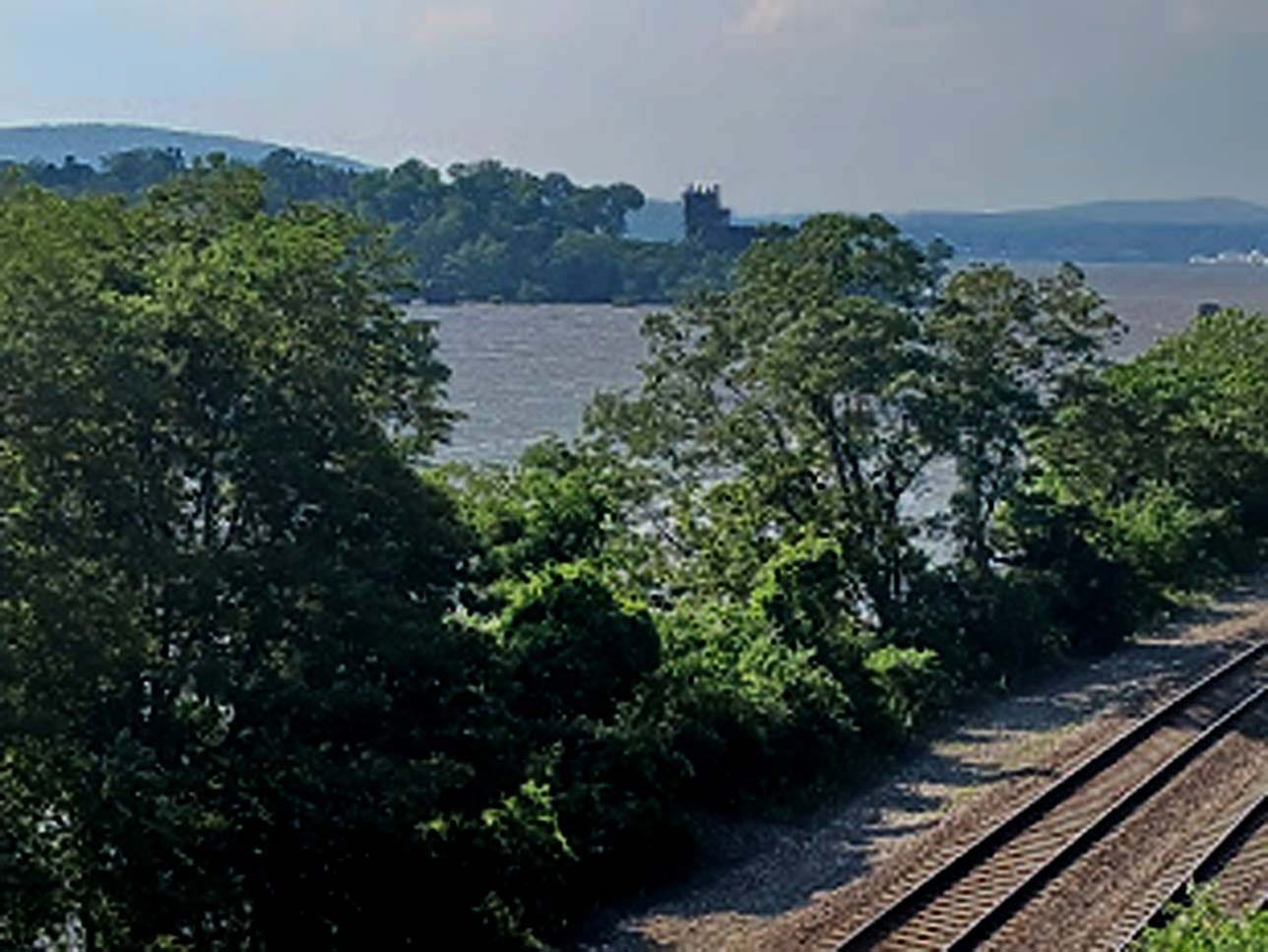
Roanoke Academy is on the imaginary floating Island of Roanoke—which is located where Bannerman’s Island (also called Pollepel Island) actually stands in the Hudson River. Gryphon Park is in Dartmouth on the river Dart.
Bannerman’s Island and the river Dark really exist. If I get details wrong about the place, a reader who had been there would know, even if they had never visited my imaginary location.
Same town, same address
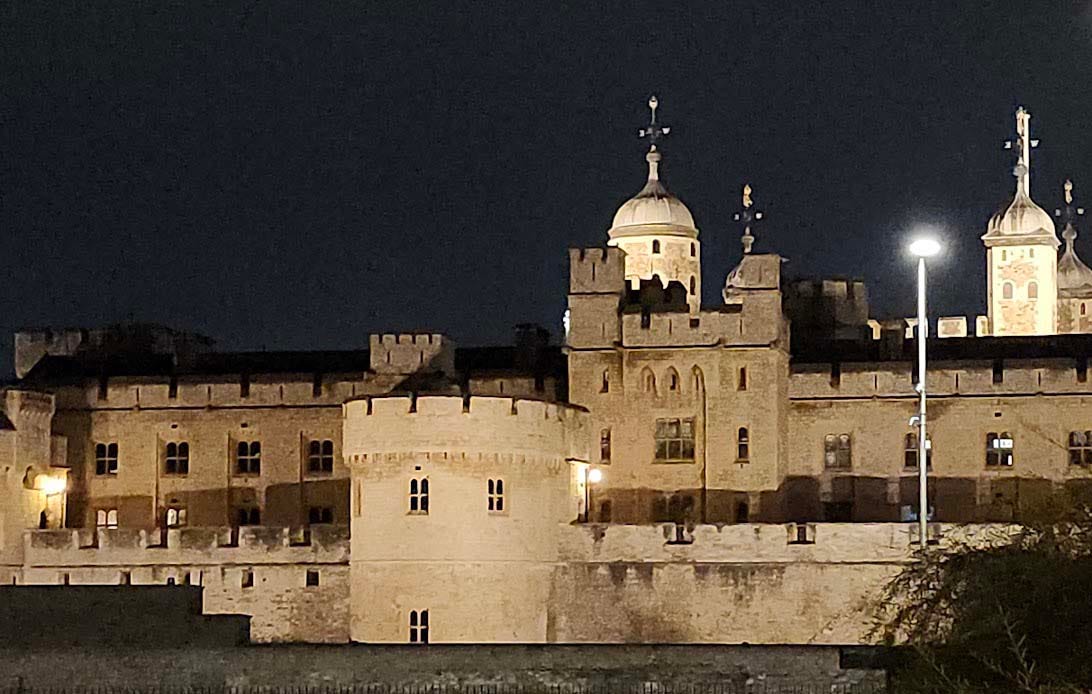
This is even more the case when we want to use a real place that actually still exists. For instance, in my two Regency fantasy romances, the heroines both visit the Tower of London. The Tower is real, and a reader could go there. Same thing with Glastonbury Tor, which appears in Guardians of the Twilight Lands.
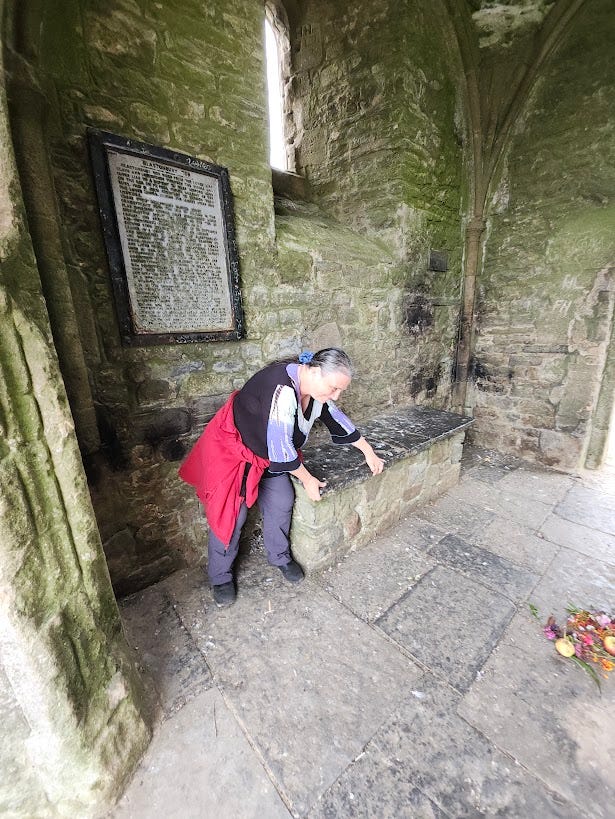
First Photos:
So how do we research these places?
First, we search for books, photos, internet articles, maybe there’s even a drone video. It’s so amazing to look at the place you intend to put your characters. You carefully study the pictures trying to picture what might really be there, how it might look, smell.
A search online or at a library can often leave you knowing a great deal more than you would had you not searched.
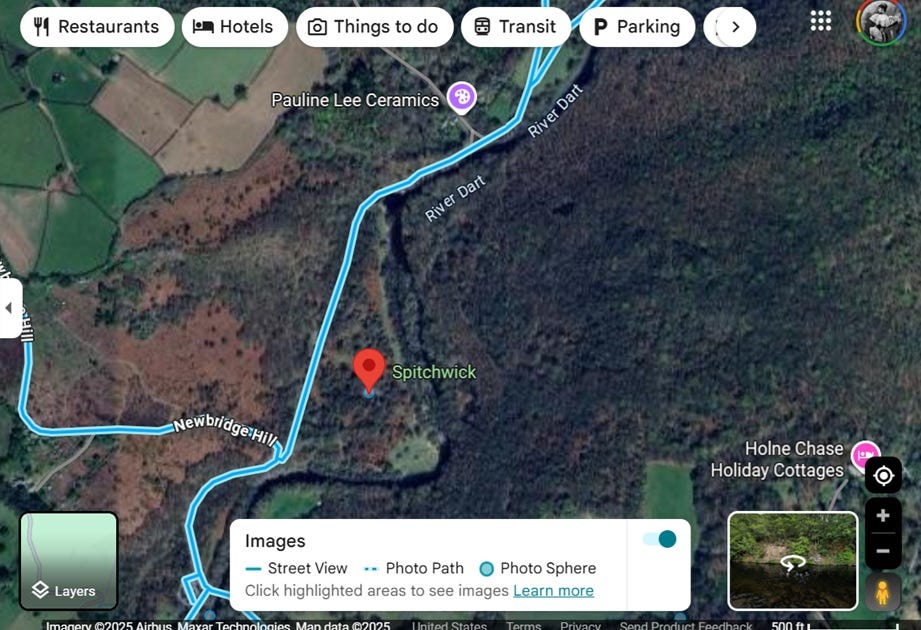
Next comes Google Maps
Ever gone house hunting? If so, you probably know how deceiving photos can be. The room is huge…because the photo was taken from the corner. The property is beautiful…because you can’t see the rusty trailer next door or the highway in the front yard.
But luckily for us authors, there’s a better tool!
Google Maps and related products offer amazing opportunities to see the place you wish to look at in relation to other places around it. You can see how the area is laid out, switch to a satellite version that shows you trees and earth and buildings, and in many places, use the little figure of a person at the bottom to see photos of what the place actually looks like. These photos allow you to turn in 360 degrees and sometimes even follow a road to see what the entire neighborhood might look like from the man on the street’s eye view.
Real life
Having spent so much time looking 360 and staring at pictures, I thought I knew a lot about the places I was writing about, so much more than I might have known a few years ago before internet photos and Google Maps.
And yet…
Every time I’ve gone to the real place where my stories are set, I’ve discovered that there was so much I got wrong.
First and foremost, much like some house hunting pictures, photos and Google Maps do not convey elevation.
Dartmoor and Cornwall? All steep ups and downs!
It’s MUCH steeper than the photos make it look. However, the Hurling Stones on Bodmin Moor, which appear in my story “Frozen Chicken” (which appears in the Cracked anthology), was not steep. In fact, they were on a flat area of moor that was easy to walk to. There was a hilly descent to one side. Maybe that’s the direction Gaius Valiant approached from in the story.
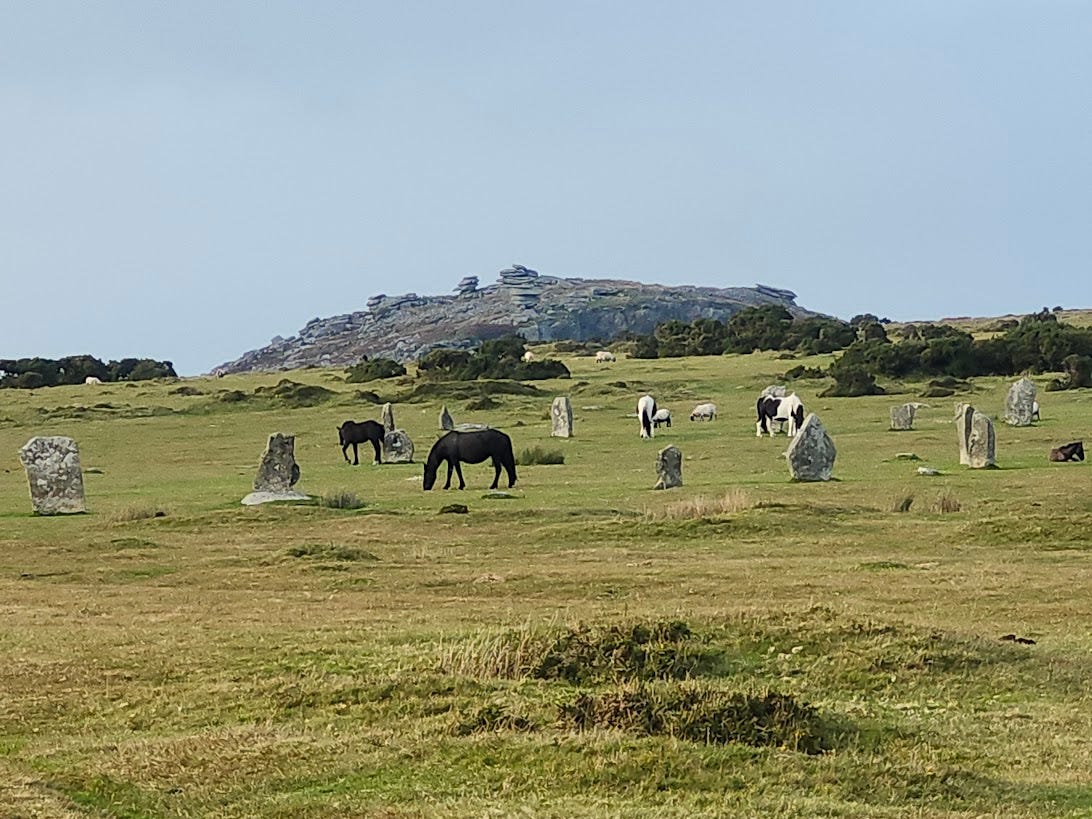
But so many other things, too!
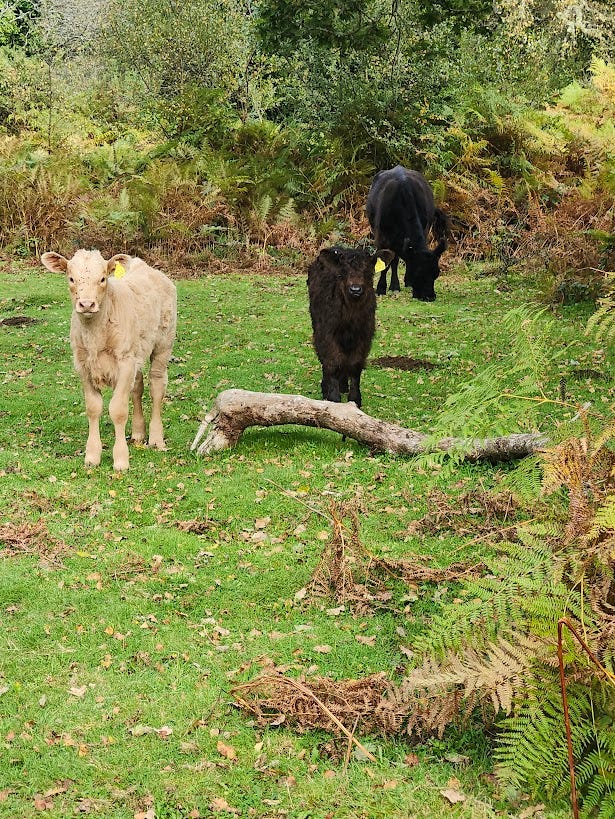
Trees! I could not find photos, even on Google Maps, of normal trees on Dartmoor. It seemed to be all pines or stunted trees. But when I got there…there were lots of regular trees, particularly all along the river Dart.
Bannerman’s Castle on Pollepel Island is actually closer to Cold Springs, on the east bank of the Hudson, than to Cornwall-on-Hudson on the west bank. Nothing I saw online indicated this. It doesn’t really matter for my purposes because the obscured island of Roanoke is much bigger than the real island, but had I known, I would have put the glass house on the east bank instead of at the foot of Storm King Mountain.
Servants’ staircases. I had wondered how servants entered townhouses when they could not go around to the side. Every Georgian house in Berkley Square, Grosvenor Square, and St. James Square had a staircase, in some cases hardly more than a ladder, that descended right beside the front door to reach the kitchen ten feet below. No book I have read ever mentioned this.
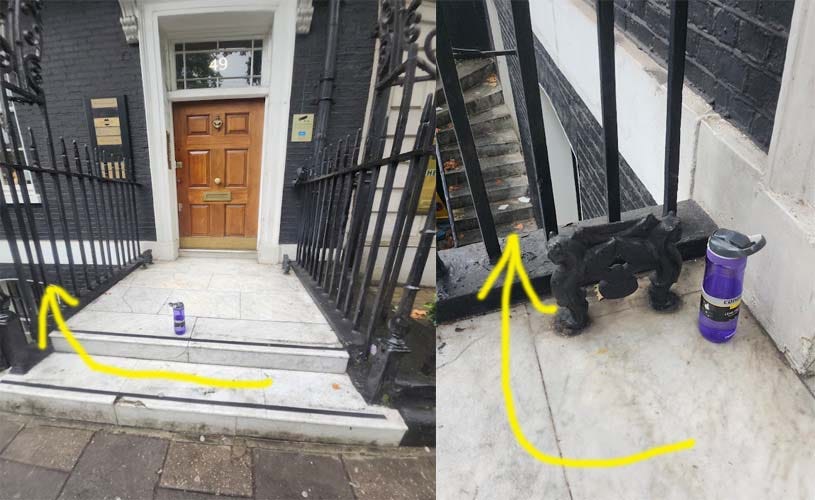
I had worked so hard to learn all I could learn from books, from photos, from Google Maps. I had learned many things that made my descriptions better than if I had not done the work. And yet…
Everywhere I went on my trip through Scotland and England and during my two visits to the Hudson Highlands (one to the west bank and one to the east bank), I learned things—important things—I had failed to discern from these valuable tools.
It actually surprised me how many things I had been wrong about or had misunderstood in pictures or had not been visible in the photos I had seen.
Does every author have to visit every location about which they write?
No. That would be foolish to require. We each do the best we can.
And we can do a great deal without leaving our desk chairs.
But there is still a value to going in person, if we can!
I was able to use google maps to zoom in on the remains of the Sante Fe Trail in New Mexico, and the ability to turn the map 360 degrees and was a big help in understanding where the hills were.
I definitely support authors doing as much research as the can, but I would like to remind readers that authors can do the best they can, but unless they are writing something they are immersed in, they may not get all the details right. So please, readers, be graceful if you find something wrong and remember its just a book not a news article, and if the story and characters are engaging, then does it really matter if the author had a wrong turn of phrase or had a street name wrong?
I say this because I saw a conversation not too long ago in a discord channel I'm in that was really pounding on authors who were not native to a particular area - say the midwest, for instance - and used words and phrases that aren't used in that area in their books. For instance, setting a book in Minnesota, but having the character make a casserole instead of a "hot dish." The folks in that conversation were complaining very loudly about "lack of research" and "lazy writing" just because little things - things that you often cannot easily research and wouldn't know if you didn't live there - might have been wrong. They loudly decried such mistakes, however, and insisted such mistakes would lead to them DNFing the books.
Besides it sounding extremely judgemental and uncharitable, I also considered it rather unrealistic to expect an author to get every single tiny miniscle detail right. Even when the author lives in a particular town or grew up in a particular region does not mean that author knows every single tiny little detail about that town, its history, and the people who live there.
Unless such readers insist that a writer can only write what they know. So you know, those of us who live in America and will never have the funds to visit England, sorry, you can't try your hand at writing a regency romance because you can't physically go there to get the details right. So nope, unless you can go to Berlin and live there for a year to soak up the culture, you can't set your James Bond style thriller in Germany. Not Japanese? Sorry, you can't write your romantic adventure about a samarai warrior. So authors who live in Texas can only write about Texas, the only folks that are allowed to write military fiction are veterans, etc.
Sounds ludicrous? I agree - but that is what was being insinuated.
So for authors, I absolutely agree with this article - do as much research as you can using the tools you have available to you. If you can physically go to the place, that is always best, but if not, then do as much research as you can with pictures, books, and the internet.
For readers? Please remember that authors are people who make mistakes just like you do, so give them some slack. If the story is good and you are enjoying it, then just role your eyes if they get a turn of phrase wrong or some such, note that its just a tell that the author isn't from that region, laugh about it, and continue the story. Substitute the correct word in your head. Shoot, take a pen and write it in if you have to. But please, have some grace and don't demonize the author or judge them as lazy just because they don't get something exactly right.
Remember the golden rule here, folks - do unto authors as you'd have them do unto you.
I'm fond of the remade version of Cat People, the one with Nastassia Kinski as Irena. One of its minor evocative moments is a scene that shows her address is at the intersection of Erato and Annunciation, a perfect poetic touch. But when I looked it up on Google Maps, I found that those streets really do exist—but they're just down the block from a freeway onramp that the camera carefully avoided showing up.
Then there was Veronica Mars, set in the fictitious town of Neptune, California—but actually shot in my neighborhood in San Diego. Keith Mars's office was implied to be upstairs from a building I walked past once or twice a week. I remember one scene where Veronica was on a long drive, and they showed her driving past De Mille's, our favorite Italian restaurant—maybe three or four times (obviously they had the car circle back). Film and video have to deal with realism and reality in different ways. . . .